National Ocean Month 2026


Published: June 10, 2026

National Ocean Month is recognized through a presidential proclamation. See President Trump's 2026 "Presidential Message on National Ocean Month" on the White House website.
The Global origins of National Ocean Month are traced back to "Ocean Day," which was declared during the 1992 Earth Summit. In the early 2000s, U.S. Presidents began issuing proclamations officially recognizing National Ocean Month in June. It was designated to encourage Americans to raise awareness of the importance of oceans and coastal areas, to show how they are an essential part of the planet, and to learn how to protect them.
The National Oceanic and Atmospheric Administration (NOAA) states that about 71 percent of the Earth's surface is water-covered, and the oceans hold about 96.5 percent of all Earth's water. Scientists estimate that roughly half of Earth's oxygen production comes from the ocean. The majority of this production is from oceanic plankton — drifting plants, algae, and some bacteria that can photosynthesize. NOAA states that it is important to remember that although the ocean produces at least 50% of Earth's oxygen, roughly the same amount is consumed by marine life. Source: National Oceanic and Atmospheric Administration (NOAA)
This year marks the 20th anniversary of the NOAA Marine Debris Program. This program was established to lead in reducing and preventing the adverse impacts of marine debris on our ocean and Great Lakes. Read more about who they are and what they do on NOAA’s website.
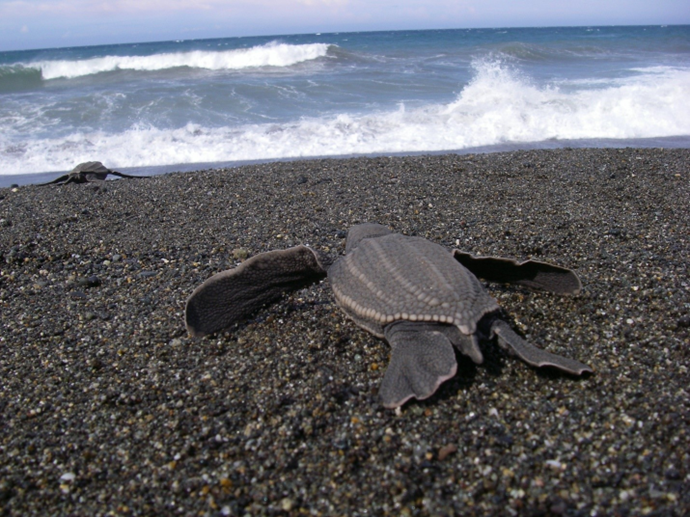
Some Key Legislation that Protects our Oceans and Beaches
- Clean Water Act - establishes the basic structure for regulating discharges of pollutants into the waters of the United States and regulating quality standards for surface waters. It was signed into law in 1948 as the Federal Water Pollution Control Act, but was renamed the Clean Water Act in 1977. Under the CWA, the EPA has set wastewater standards for industry and water quality standards for contaminants in surface waters.
- Marine Debris Research, Prevention and Reduction Act* - established programs within the National Oceanic and Atmospheric Administration (NOAA) and the United States Coast Guard to identify, determine sources of, assess, reduce, and prevent marine debris.
- Coastal Zone Management Act* - was designed to help protect valuable natural coastal resources such as wetlands, floodplains, estuaries, beaches, dunes, barrier islands, and coral reefs, as well as the fish and wildlife using those habitats. It includes areas bordering the Atlantic, Pacific, and Arctic Oceans, the Gulf of America, Long Island Sound, and the Great Lakes. The Coastal Zone Management Act is administered by NOAA’s Office of Ocean and Coastal Resource Management.
- National Marine Sanctuary Act (NMSA) - was enacted in 1972 to designate important marine environments as sanctuaries for their environmental, conservation, recreational, ecological, historical, scientific, cultural, archeological, educational or esthetic qualities as national marine sanctuaries.
- Coral Reef Conservation Act (CRCA)* - was established in 2000 for the purposes of preserving coral reef ecosystems, promoting wise management, and gaining better information on the current condition of coral reefs.
- Magnuson-Stevens Fishery Conservation and Management Act (MSA)* - provides guidelines for fisheries and governs fish populations within the U.S. Exclusive Economic Zone (EEZ) (3-200 nautical miles offshore).
- Marine Mammal Protection Act (MMPA)* - was enacted in 1972 in response to growing concerns that certain species and populations of marine mammals were in danger of extinction or depletion as a result of human activities. This legislation mandated the use of an ecosystem-based management approach to marine resource management.
*Asterisk indicates link to a Statute Compilation. This is a compilation of the public law, as amended, is an unofficial document and should not be cited as legal evidence of the law. Learn more.
