Commemorating 40 Years Since the Space Shuttle Challenger Disaster


Published: January 28, 2026
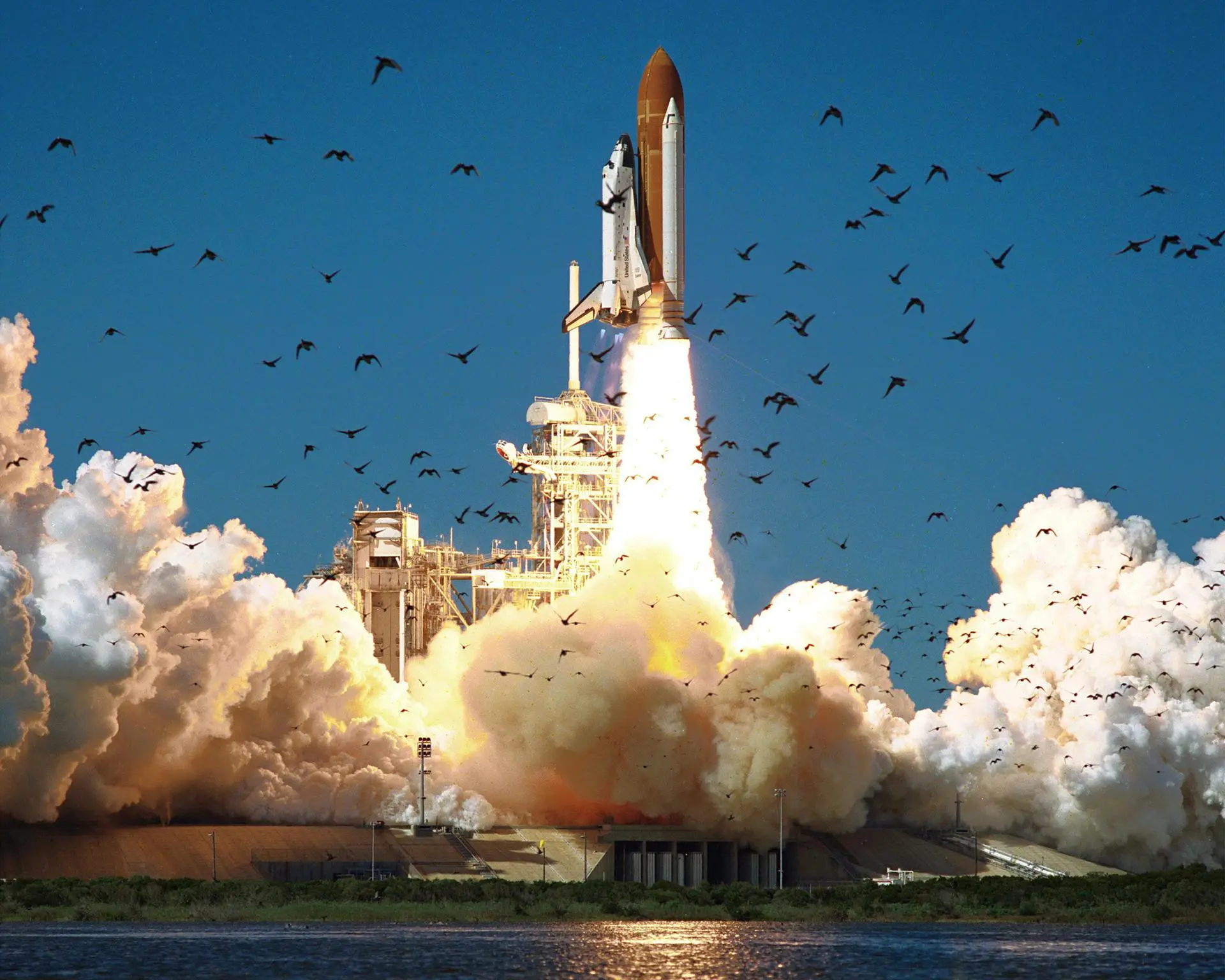
On January 28, 1986, the Space Shuttle Challenger (OV-099) was launched just off the coast of Cape Carnival, Florida, carrying 7 astronauts on board: Francis R. Scobee, Michael J. Smith, Judith A. Resnik, Ronald E. McNair, Ellison S. Onizuka, Gregory B. Jarvis, and S. Christa McAuliffe. It was supposed to be the Shuttle’s 10th flight, designated STS-51L, since the completion of its construction in 1978. 73 seconds after liftoff, Challenger broke apart and disintegrated over the Atlantic Ocean. (Source: NASA ).
An initial technical evaluation determined that an O-ring seal inside one of Challenger's boosters came loose, causing a structural failure of the external tank and subsequent explosion. All space flight programs were put on hold as a follow-up investigation was launched into NASA's organizational structure. The resulting 450 page report can be found here on GovInfo. The Space Shuttle program resumed 11 months after the conclusion of the investigation with a new set of safety regulations and expectations.“For the families of the seven, we cannot bear, as you do, the full impact of this tragedy. But we feel the loss, and we're thinking about you so very much. Your loved ones were daring and brave, and they had that special grace, that special spirit that says, ``Give me a challenge, and I'll meet it with joy.'' They had a hunger to explore the universe and discover its truths. They wished to serve, and they did. They served all of us. We've grown used to wonders in this century. It's hard to dazzle us. But for 25 years, the United States space program has been doing just that. We've grown used to the idea of space, and perhaps we forget that we've only just begun. We're still pioneers. They, the members of the Challenger crew, were pioneers.”
In Memoriam
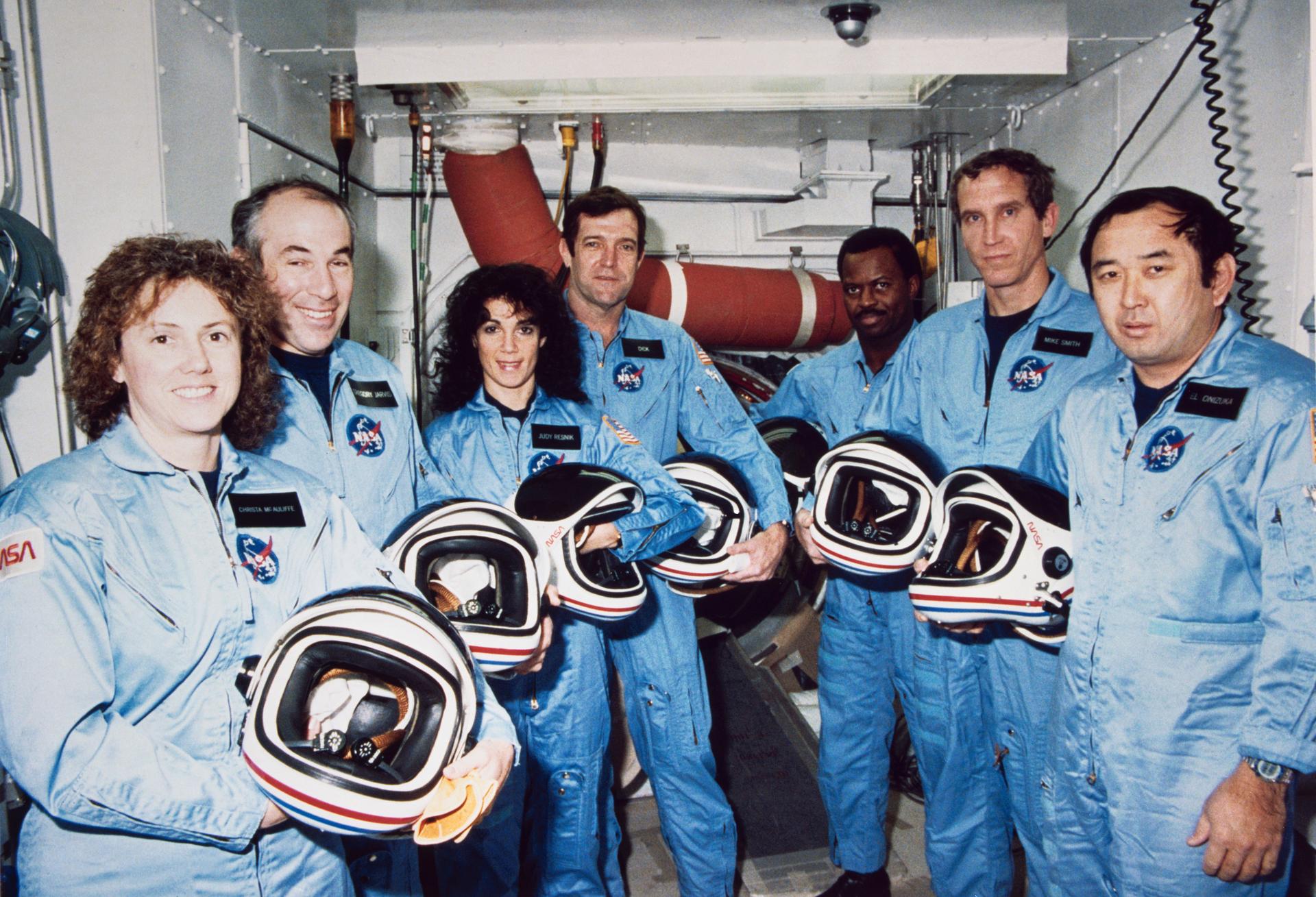
January 28, 2026, marks the 40-year anniversary of the Space Shuttle Challenger loss. The seven astronauts who lost their lives embodied the highest ideals of exploration, service, and courage. They were pilots, engineers, scientists, and educators who were united by the shared belief that expanding human knowledge is worth both dedication and risk. Their loss was a national tragedy, witnessed in real time and etched into collective memory. But, Challenger's legacy is not defined solely by catastrophe. It reshaped how we think about safety, accountability, and institutional responsibility in science and government. The lessons learned and wisdom gained have saved lives and strengthened human spaceflight capabilities. Today, we honor these seven for how they lived: committed to discovery, to teaching, and to pushing humanity forward. Their mission did not end that morning. It continues every time we look to the sky with curiosity, humility, and resolve.
Additional GPO Resources
- Browse GovInfo’s collection of Selected Congressional Hearings and Reports on the 1986 Challenger Space Shuttle Accident.
- Check out other publications related to Space Shuttle Challenger on GovInfo.
- Discover publications related to Aerospace, Astronomy & Space Exploration on GPO’s Online Bookstore .
Related Resources
- Read more about the Challenger accident and its flight mission with NASA’s Remembering Challenger STS-51L Mission .
- Find out more from NASA about the Space Shuttle Challenger's first mission, STS-6.
- Dive into the Challenger Space Shuttle Research and Assignment Guide through the Reagan Library Education Blog.
- See the immediate effects of the Challenger investigation on NASA's 1986 budget .