Biscayne National Park


Published: April 10, 2025
“Biscayne National Park was established to preserve and protect for the education, inspiration, recreation, and enjoyment of present and future generations a rare combination of terrestrial, marine, and amphibious life in a tropical setting of great natural beauty.”
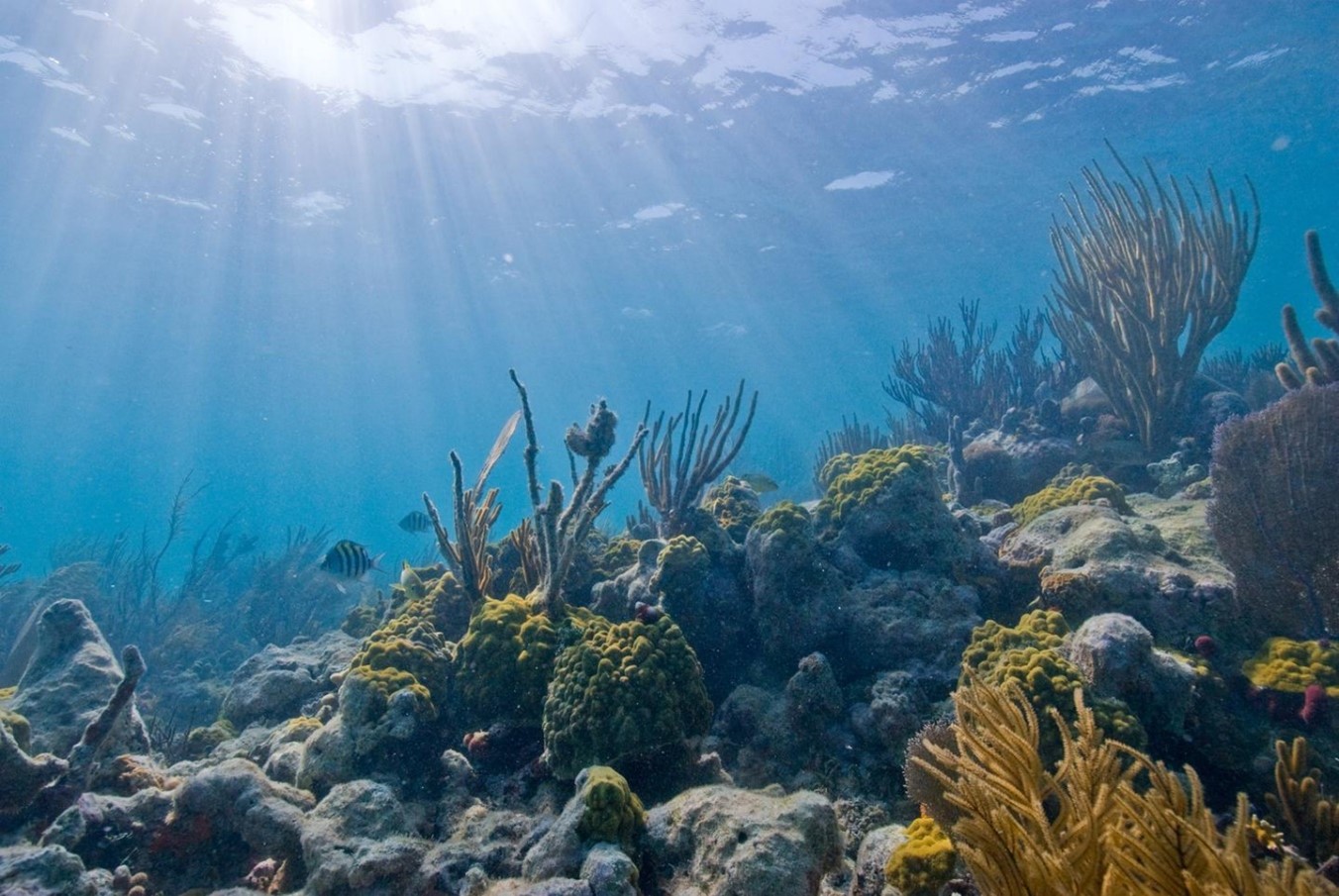
On October 18, 1968, President Lyndon B. Johnson signed Public Law 90–606 to create Biscayne National Monument. The monument was expanded in 1974 under Public Law 93-477. In 1980 the park was again expanded and also redesignated as a national park by an act of Congress through Public Law 96-287 effective June 28, 1980.
This park system protects four marine ecosystems - a mangrove forest , Biscayne Bay, coral reefs, and the Florida Keys . It also protects a rare combination of aquamarine waters and emerald islands. The Maritime Heritage Trail is the underwater archeological trail that has the remains of some of the Park's shipwrecks. Access to the sites on the trail is by boat and some are best suited for scuba divers, but other sites can be enjoyed by snorkeling.
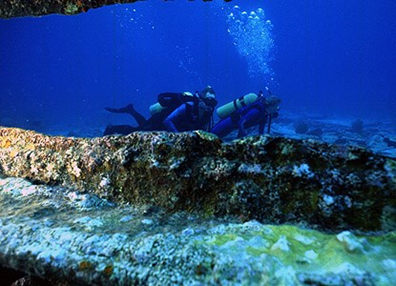
The steamer Alicia wrecked in a 1905 storm carrying silks, fine household items, and much more. Battles among groups of salvagers lead to the rewriting of U.S. salvage laws. The Abandoned Shipwreck Act (ASA) of 1987 was signed into law on April 28, 1988 and aims to protect historic shipwrecks in U.S. waters from treasure hunters and unauthorized salvagers. Also see 43 U.S.C. 39 - Abandoned Shipwrecks for Federal guidelines.
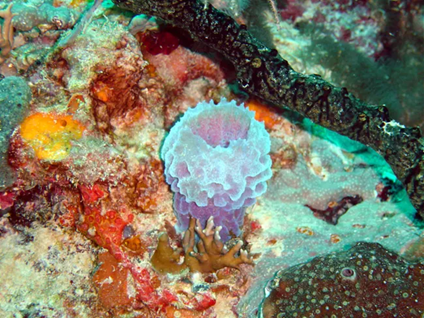
The coral reefs are very vulnerable, and the National Park Service asks visitors to remember the following when diving, snorkeling, or boating in this area:
- Tiny coral polyps are fragile and easily damaged by the slightest touch.
- Be aware of where your feet are placed and be careful not to cause damage with fins.
- Use proper nautical charts to avoid running aground.
- Use mooring buoys where available and ensure that anchors are not set in corals.
- Simple things you can do to make a difference for the health of the reefs include avoiding anchoring on hardbottom, never tossing debris overboard, and retrieving fishing gear and line that gets away from you.